Bitcoin Newsletter
November 16, 2026
Top Bitcoin Adoption Stories (November 9 to November 16, 2026)
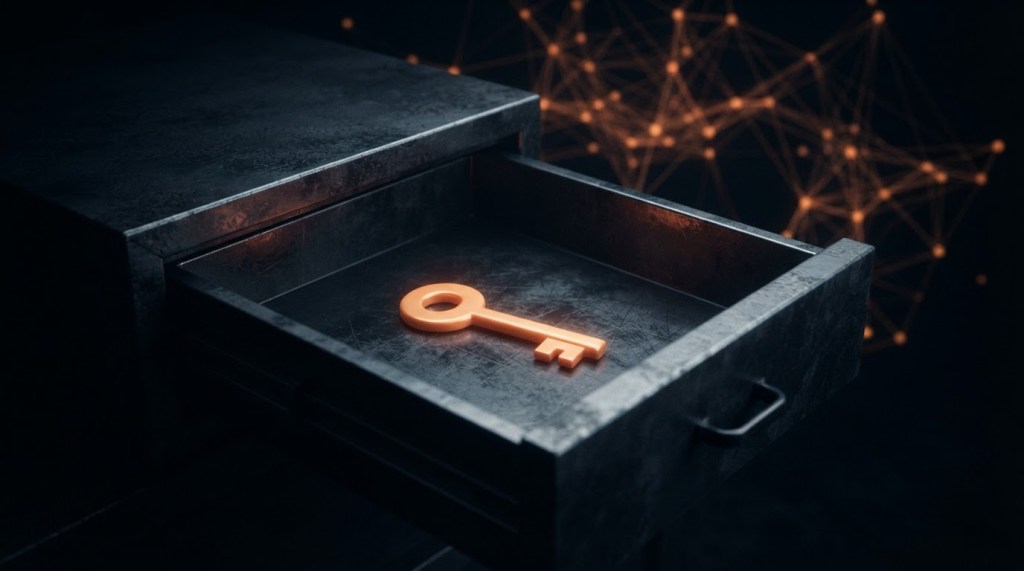
Whoever holds the keys holds the bitcoin, and this week the banks noticed. Germany’s largest lender started holding bitcoin for institutional clients, an Israeli bank set a date to offer bitcoin in its app, Trezor found tampered hardware wallets sold by one reseller, Miami-Dade began taking bitcoin for property taxes, and a home bitcoin miner landed on store shelves as mining difficulty dropped.
1. Deutsche Bank Now Holds Bitcoin for Institutional Clients
Deutsche Bank said on Wednesday, November 11, that its digital asset custody service had gone live for paying clients, Reuters reported. The service is for institutional and corporate clients in Europe, such as corporates, asset managers, hedge funds, brokers and sovereign institutions, and it has approval from BaFin, Germany’s financial regulator. Bitcoin is among the first assets supported. The bank says it creates and protects the private keys with dedicated hardware, requires more than one person to approve important actions, and keeps key material in separate storage, including offline “cold” storage. Its own explainer puts it plainly: “Whoever controls the private key controls the asset.” The bank also notes that these assets are not covered by a deposit-guarantee scheme like regular bank deposits.
Key Takeaway: One of Europe’s biggest banks now sells the service of holding private keys for others. That tells you where the value sits: in the keys. Institutions may pay a bank to hold them. You can hold your own for free.
2. Israel Discount Bank Sets a Date for Bitcoin in Its App
Israel Discount Bank announced on November 11 that starting November 26, its customers will be able to buy, hold and sell bitcoin directly in the bank’s mobile app, alongside investments like stocks and bonds, without opening an account on an outside exchange, according to Globes. The coins will be held in bank-provided wallets built on infrastructure from the custody firm Fireblocks. The service is for private customers aged 18 and older whose accounts are enabled for securities trading, and the bank is offering six months without account management fees.
Key Takeaway: Buying bitcoin in a familiar banking app is an easy first step for many people. But bitcoin held in a bank-provided wallet is in the bank’s custody, not yours. If you use a service like this, check whether you can withdraw your sats to your own wallet.
3. Trezor Finds Implants in Wallets From One Reseller
Hardware wallet maker Trezor published an investigation update on November 12. It confirmed hardware implants in three Trezor Safe 5 devices, all bought from the reseller CryptoBilis between August 20 and September 23, 2026. The implant is an extra circuit board fitted between the device’s main board and its screen. It copies whatever appears on the screen, including recovery words, and sends it over the mobile network to the attackers. Trezor says firmware update 2.13.1, released November 11, stops the implants found so far from capturing anything, and it has cut its reseller network by about 80%. No customer has reported losing funds. Trezor says anyone who bought from CryptoBilis should still move their funds to a new wallet with a new seed, because the update can’t protect a backup that was captured before it, and it recommends buying directly from trezor.io.
Key Takeaway: Self-custody starts with where your hardware comes from. Buy a hardware wallet directly from its maker, keep its firmware up to date, and never share your recovery words with anyone.
4. Miami-Dade Takes Bitcoin for Property Taxes
Miami-Dade County Tax Collector Dariel Fernandez announced on Monday, November 9, that property owners can now pay their property taxes with bitcoin, online and in person, CBS Miami reported. Payers connect a supported exchange account or digital wallet, and a third-party system converts each payment into U.S. dollars at the time of payment, so the office never holds, invests in or manages any bitcoin. The option is voluntary, and all traditional payment methods stay the same. “Government must keep up with the times and the needs of the people we serve,” Fernandez said. Bitcoin Magazine noted that the office did not name the payment processor or say whether bitcoin payments carry a fee.
Key Takeaway: Each new place that accepts bitcoin makes it more useful as money. Here the county receives dollars, so the person paying is the one spending sats. Whether to spend or keep stacking is your choice.
5. A Home Bitcoin Miner Hits Store Shelves as Difficulty Drops
FutureBit announced on November 12 that its Apollo III Full Node, a home bitcoin miner, would go on sale on Friday, November 13, at four Micro Center stores, in Brooklyn, Miami, Tustin (California) and Austin (Texas). It’s the first time customers can walk into a store and take one home, and buyers can also reserve one online for in-store pickup. FutureBit describes the launch as part of its mission to decentralize the network and put more control in the hands of individual users.
The next day, Bitcoin’s mining difficulty adjusted at block 975,744, mined early Saturday, November 14. It fell about 9.13%, from about 148.36T to about 134.82T, the largest downward adjustment since June 13, 2026 (-10.09%), according to mempool.space. Difficulty resets every 2,016 blocks so that blocks keep arriving about every 10 minutes on average, whether more or less computing power is mining.
Key Takeaway: When miners switch off, Bitcoin adjusts on its own, with no one in charge. And more miners in more homes means mining is spread across more hands, which is good for the network.
6. What Beginners Should Notice
This week was about who holds the keys. A major German bank and an Israeli bank are moving to hold bitcoin for their customers. Trezor showed why it matters where your hardware wallet comes from. Miami-Dade gave residents a new way to spend bitcoin. And a home miner arrived in retail stores while the network adjusted its difficulty, just as it is designed to do.
Key Takeaway: Banks offering bitcoin is a sign of adoption, but custody is a choice. Buy your hardware wallet from the maker, back up your seed phrase offline, and stack sats in a wallet where you hold the keys.
Related reading: New to holding your own keys? Start with What Is a Bitcoin Wallet? A Beginner’s Guide. And today’s book quote fits this week’s custody theme: “Everything you think you own is actually just a lease from the government…” (Jack Dorsey)
Sources
- Reuters via Euronext: Deutsche Bank launches digital asset custody service (Nov 11, 2026)
- Deutsche Bank: Deutsche Bank launches digital asset custody solution for institutional and corporate clients (November 2026)
- Globes: Discount Bank to offer cryptocurrency trading (Nov 11, 2026)
- Trezor: Our CryptoBilis investigation, what we found and what we’ve changed (Nov 12, 2026)
- CBS Miami: Miami-Dade property owners can now pay taxes with Bitcoin (Nov 9, 2026)
- Bitcoin Magazine: Miami-Dade County Now Accepts Bitcoin for Property Taxes (Nov 10, 2026)
- FutureBit via PR Newswire: FutureBit brings home Bitcoin mining to Micro Center with Apollo III (Nov 12, 2026)
- mempool.space: hashrate and difficulty, difficulty adjustment history (data pulled Nov 16, 2026)
Watch on YouTube
Want these stories in video form? Watch Top 7 Bitcoin News: Deutsche Bank Now Holds Bitcoin for Clients (November 11, 2026), Top 4 Bitcoin News: FutureBit’s Home Bitcoin Miner Hits Micro Center Shelves (November 13, 2026), Top 5 Bitcoin News: Mining Difficulty Drops 9.13%, Biggest Cut Since June (November 14, 2026) and Top 5 Bitcoin News: 13 EH/s of Mining Power Hijacked to OCEAN (November 15, 2026) (covers the Trezor investigation), or catch the daily rundown: Bitcoin News Today (Daily). Subscribe to Bitcoin Basics on YouTube
This post is for educational purposes only and is not financial advice. Bitcoin only, no altcoin coverage.
Stay ahead in the Bitcoin world!
Sign up for our exclusive newsletter for Bitcoin adoption insights, how-to guides, memes, the latest news, and more. Get the book Bitcoin Basics: Understanding the Future of Money Through Quotes wherever you buy books (including Amazon).


Leave a Reply